

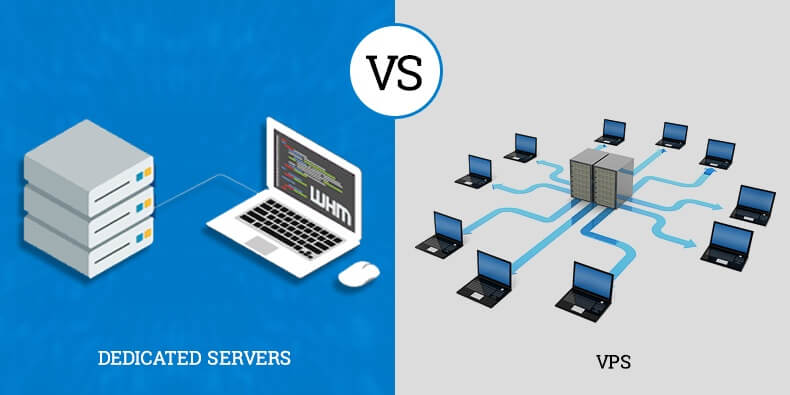
In the vast landscape of web hosting, VPS (Virtual Private Server) and dedicated server hosting stand as two prominent solutions catering to diverse needs and requirements. Understanding the nuances between these options is crucial for businesses and individuals seeking reliable and scalable hosting solutions. In this comprehensive guide, we’ll delve into the differences between VPS and dedicated server hosting, helping you make an informed decision based on your specific needs.
Understanding VPS Hosting
Virtual Private Server (VPS) hosting involves partitioning a physical server into multiple virtual servers, each operating independently with its own dedicated resources and operating system. Key features of VPS hosting include:
- Resource Allocation: VPS hosting allocates dedicated resources such as CPU, RAM, and storage to each virtual server, ensuring consistent performance and preventing resource contention.
- Scalability: VPS hosting offers scalability, allowing users to easily upgrade or downgrade their resources as their requirements evolve. This flexibility makes VPS hosting ideal for businesses experiencing growth or fluctuations in traffic.
- Cost-Effectiveness: Compared to dedicated server hosting, VPS hosting is more cost-effective as users share the underlying hardware infrastructure while still enjoying the benefits of dedicated resources and isolation.
- Isolation: Each VPS operates independently, providing isolation from other virtual servers on the same physical hardware. This ensures enhanced security and stability for users, as issues on one VPS do not affect others.
Understanding Dedicated Server Hosting
Dedicated server hosting involves leasing an entire physical server from a hosting provider, providing users with exclusive access to all server resources and infrastructure. Key features of dedicated server hosting include:
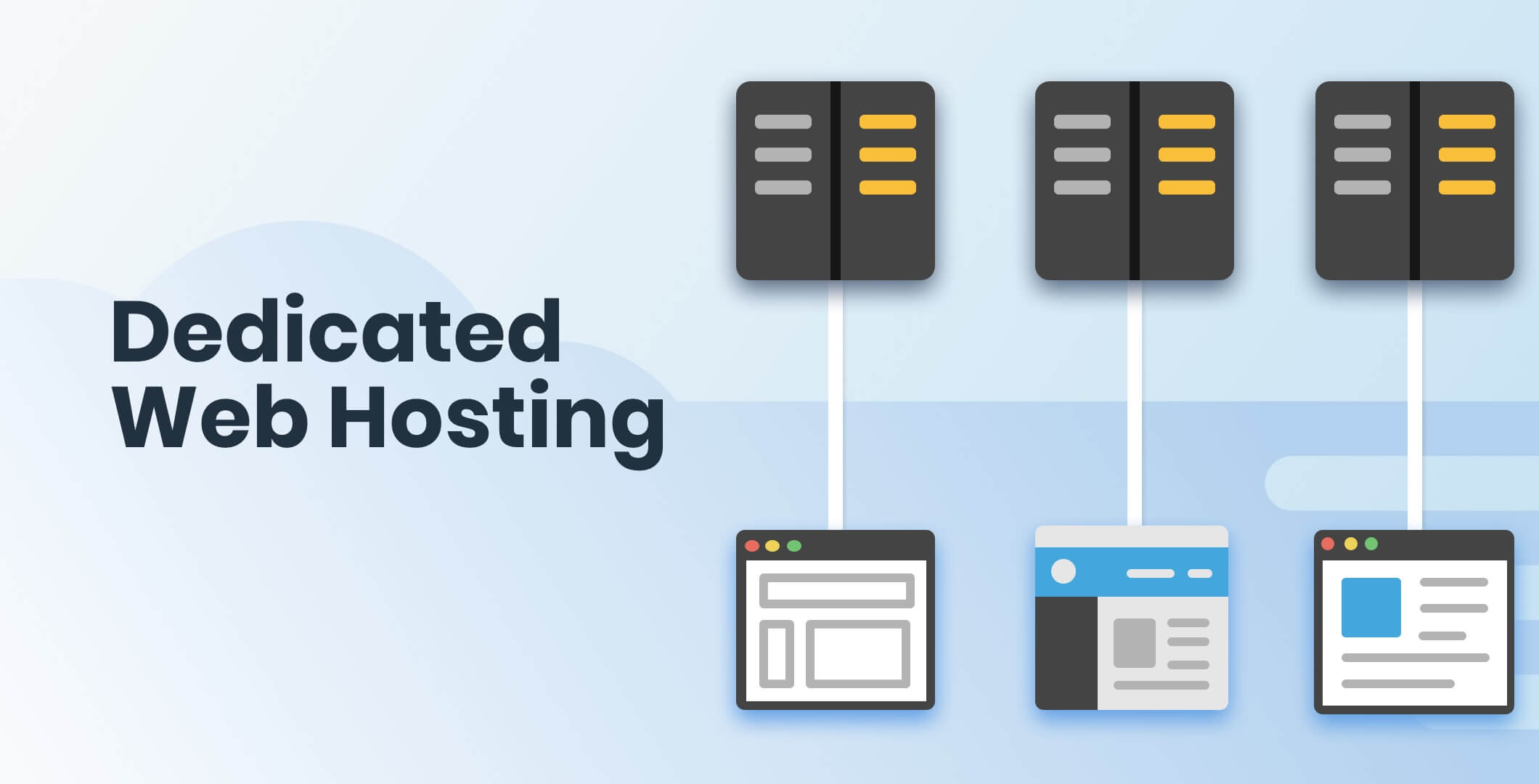
- Full Control: Dedicated server hosting grants users complete control over server configuration, software installations, and security settings. This level of control is ideal for businesses with specific requirements or compliance needs.
- High Performance: Dedicated servers offer unparalleled performance and reliability since users have access to all server resources without sharing with other users. This makes dedicated server hosting suitable for resource-intensive applications or high-traffic websites.
- Customization: Dedicated servers can be customized to meet the unique needs of users, including hardware specifications, operating systems, and software configurations. This level of customization ensures optimal performance and compatibility for diverse workloads.
- Security: Dedicated servers provide enhanced security, as users have exclusive access to server resources and can implement robust security measures tailored to their needs. This reduces the risk of security breaches and ensures the confidentiality and integrity of data.
Key Differences Between VPS and Dedicated Server Hosting
While both VPS and dedicated server hosting offer distinct advantages, they differ in several key aspects:
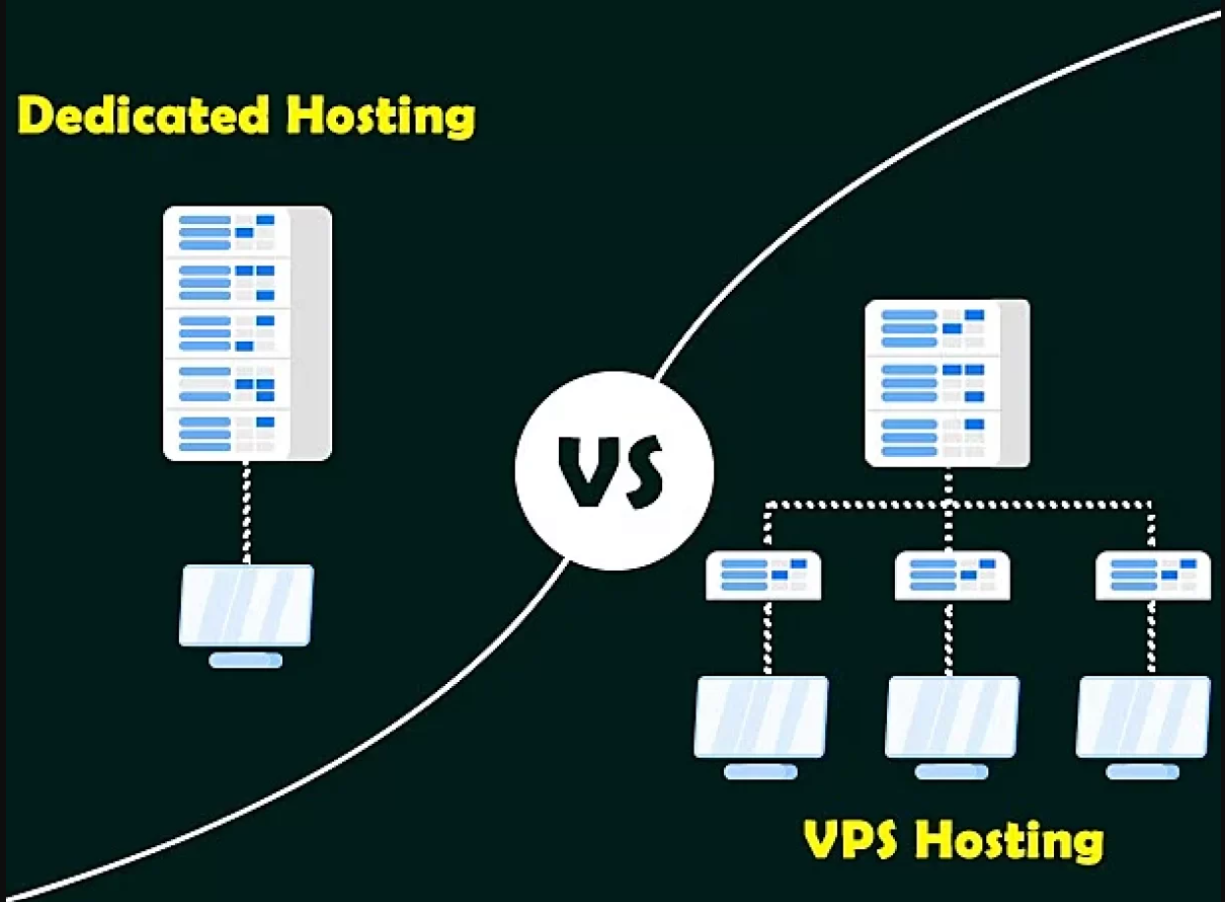
- Resource Allocation: VPS hosting offers dedicated resources within a virtualized environment, while dedicated server hosting provides exclusive access to all server resources.
- Cost: VPS hosting is typically more cost-effective than dedicated server hosting, making it suitable for businesses with budget constraints or variable resource needs.
- Scalability: VPS hosting offers scalability by allowing users to adjust resources as needed, while dedicated server hosting requires upgrading to a higher-tier server for additional resources.
- Control: Dedicated server hosting grants users full control over server configuration and management, while VPS hosting offers limited control within the confines of the virtualized environment.
- Performance: It provides higher performance and reliability compared to VPS hosting, making it suitable for demanding workloads or mission-critical applications.
Choosing the Right Solution
When deciding between VPS and dedicated server hosting, consider the following factors:

- Budget: Determine your budget and evaluate the cost-effectiveness of each hosting option based on your resource requirements.
- Performance: Assess the performance needs of your applications or websites and choose a hosting solution that can meet those requirements.
- Scalability: Consider the scalability of your hosting solution and choose one that can accommodate future growth or fluctuations in traffic.
- Control: Evaluate the level of control you require over server configuration, software installations, and security settings.
- Security: Consider the security implications of each hosting option and choose one that can provide the necessary level of security for your data and applications.