
Website security is a critical aspect of maintaining a safe and trustworthy online presence. As the internet continues to play an integral role in business, communication, and information sharing, websites become potential targets for various cyber threats. Website security involves the implementation of measures and best practices to protect web applications, databases, and user data from unauthorized access, data breaches, and other malicious activities.

If you’re seeking ways to enhance the security of your business website, we’ve got you covered. On this page, we’ll go over eight easy website security measures for getting a safer and more secure website that drives conversions and keeps consumers coming back for more
What is Website Security
Website security refers to the measures and practices implemented to protect a website from various online threats and vulnerabilities. Ensuring the security of a website is crucial to safeguard sensitive data, maintain the integrity of the site, and provide a safe online experience for users.
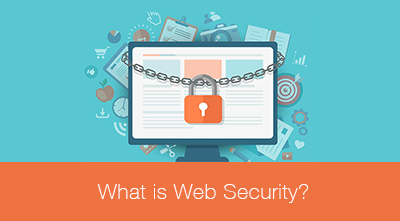
The importance of website security cannot be overstated, considering the rising sophistication of cyber threats. A secure website not only safeguards sensitive information such as user credentials and payment details but also ensures the integrity and availability of the site. A compromised website can lead to severe consequences, including financial loss, damage to reputation, and legal repercussions.
Why website security important
- Protecting Sensitive Data: Websites often handle sensitive user information, such as personal details, login credentials, and financial data. Ensuring security prevents unauthorized access and protects this sensitive information from falling into the wrong hands.
- Maintaining User Trust: Users trust websites with their information. A secure website demonstrates a commitment to user privacy and safety. A breach can erode trust and lead to reputational damage, affecting the credibility of the business or individual.
- Preventing Financial Loss: Security breaches can lead to financial losses, including costs associated with data recovery, legal actions, and compensation to affected parties. Investing in website security can help prevent these potential financial setbacks.
- Avoiding Legal Consequences: Depending on the nature of the data involved, data breaches can lead to legal consequences. Many regions have data protection laws, and non-compliance may result in fines and other legal actions. Proper website security helps businesses adhere to these regulations.
- Maintaining SEO and Search Engine Rankings: Search engines prioritize secure websites. Having an SSL certificate and implementing other security measures can positively impact search engine rankings, contributing to better visibility and discoverability.
How to Improve your Website Security
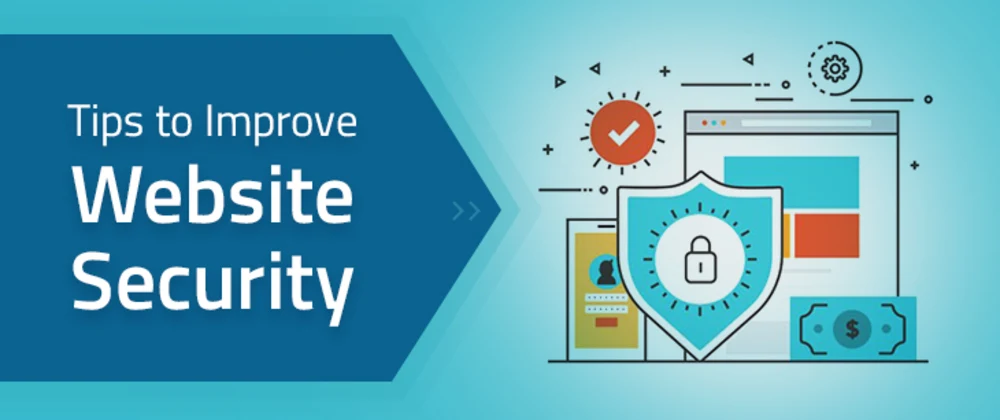
At times, the most effective approaches to handle tasks are the straightforward ones. While it’s clear that safeguarding your website from potential threats is essential, delving into the realm of website vulnerabilities may introduce intricate concepts and intricate solutions. Nevertheless, there are fundamental best practices to adhere to when enhancing your website’s security. Here are eight simple ways to improve your website security:
Keep Software Updated
Regularly update your website’s software, including the Content Management System (CMS), plugins, themes, and any other third-party applications. Developers often release updates to patch vulnerabilities.
Use Strong Passwords
Enforce strong password policies for all users, including administrators, and encourage the use of complex passwords. Consider implementing multi-factor authentication (MFA) for an additional layer of security.
Secure Socket Layer (SSL) Encryption
Implement SSL to encrypt data transmitted between your website and users’ browsers. This ensures that sensitive information, such as login credentials and payment details, remains secure during transmission.
Regular Backups
Schedule regular backups of your website data, including databases and files. Store backups in a secure location, preferably off-site, so you can quickly restore your website if it gets compromised.
Web Application Firewall (WAF)
Install a Web Application Firewall to filter and monitor HTTP traffic between a web application and the Internet. WAFs can help protect against common web application attacks, such as SQL injection and cross-site scripting.
Limit User Access
Restrict user privileges to the minimum necessary for their roles. Only grant administrative access to trusted personnel. Regularly review and update user access permissions, removing any unnecessary privileges.
Monitor and Audit Activity
Implement logging and monitoring systems to track user activity, system events, and security-related incidents. Regularly review logs to detect and respond to any suspicious or unauthorized activities promptly
Security Plugins and Tools
Depending on your CMS, consider using security plugins or tools designed to enhance your website’s security. These can include tools for malware scanning, vulnerability assessment, and security monitoring
Conclusion
In conclusion, prioritizing website security is paramount in the digital landscape. As technology advances, so do the sophistication and frequency of cyber threats. Safeguarding your website is not only about protecting sensitive data and maintaining user trust but also ensuring the overall health and reliability of your online presence.

A secure website not only protects your business or personal brand from financial losses and reputational damage but also contributes to a safer online environment for users. As the digital realm continues to evolve, the commitment to website security becomes an ongoing journey, an investment in the resilience and sustainability of your online presence. In embracing these principles, you not only fortify your website against potential vulnerabilities but also foster a sense of trust and confidence among your audience.