

A DDoS attack is surprisingly easy to carry out and affects millions of websites worldwide every year, with the number of attacks rising. Suffering DDoS attacks may seem like an inevitable side effect of being online; the more successful your site, the more likely it might seem that you’ll be the target of an attack at some point. But you can reduce the chances of a DDoS attack affecting your site. In this post, we’ll explain what DDoS attacks are, explore what might make your site vulnerable, and outline the ways you can reduce their probability and impact.

Overview of DDOS
A Distributed Denial of Service (DDoS) attack is a malicious attempt to disrupt the regular functioning of a targeted computer system, service, or network by overwhelming it with a flood of internet traffic. Unlike traditional Denial of Service (DoS) attacks, which are carried out from a single source, DDoS attacks involve multiple compromised computers or devices, often distributed across the internet and coordinated to launch the attack simultaneously.
The fundamental goal of a DDoS attack is to make the targeted system or network unavailable to its intended users. This is achieved by inundating the target with a massive volume of requests, such as data packets, connection requests, or other types of traffic. The excessive load can overwhelm the resources of the target, leading to slow performance, downtime, or a complete outage.
Key characteristics of DDoS attacks
Distributed Nature: It involve multiple sources, forming a network of compromised devices known as a botnet. This makes it challenging to mitigate the attack by blocking a single IP address or connection.
Variety of Attack Vectors: It can employ various techniques to overload the target. Common attack vectors include volumetric attacks, which flood the target’s bandwidth; protocol attacks, which exploit vulnerabilities in network protocols; and application layer attacks, which focus on disrupting specific services or applications.
Motivations: It can be motivated by various factors, including financial gain, revenge, hacktivism, or simply the desire to cause disruption. Some attackers use DDoS as a smokescreen to distract from other malicious activities.
Duration: It can be short-lived or prolonged, depending on the attacker’s goals. Some attacks may last only for a brief period, while others persist for hours or even days.
How a DDoS attack works
Its typically involves multiple compromised devices working together to overwhelm a target, disrupting its normal functioning and causing a denial of service to legitimate users. The process of a DDoS attack can be broken down into several stages:
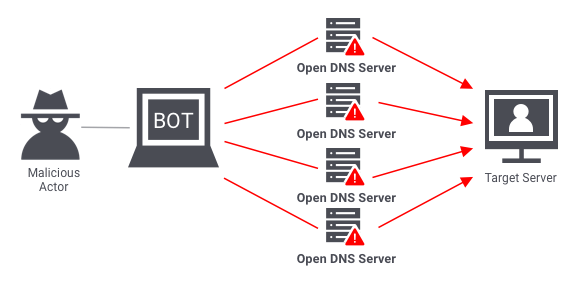
Compromise of Devices: The attackers first compromise a large number of computers or other internet-connected devices. These compromised devices are often referred to as “bots” or “zombies.” Malware or malicious code is typically used to infect these devices, turning them into part of a botnet without the knowledge of their owners.
Formation of a Botnet: The compromised devices are organized into a network, forming a botnet. The botnet is controlled by a central command and control (C&C) server operated by the attackers. The use of a botnet provides the attackers with a distributed and coordinated force, making it more challenging for defenders to block traffic from a single source
Command and Coordination: The attackers send commands from the C&C server to the compromised devices in the botnet. These commands instruct the botnet to launch a coordinated attack on a specific target, specifying the type of attack and the duration.
Initiation of the Attack: The compromised devices in the botnet start generating a massive volume of traffic directed towards the target. This can include various types of traffic, such as data packets, connection requests, or other requests depending on the chosen attack vector.
Overwhelming the Target: The target system, network, or service becomes inundated with the excessive volume of incoming traffic. The overwhelming load exhausts the target’s resources, such as bandwidth, processing power, or memory, making it difficult or impossible for the target to respond to legitimate user requests.
Impact on the Target: As a result of the DDoS attack, the targeted system may experience slow performance, intermittent outages, or a complete denial of service to its users. The impact can range from mild disruption to severe consequences, depending on the scale and duration of the attack.
The Effects of a DDoS Attack
A Distributed Denial of Service (DDoS) attack can have various detrimental effects on the targeted system, network, or service, as well as on the users and organizations relying on them. The severity of these effects depends on the scale, duration, and type of DDoS attack. Here are some common effects:
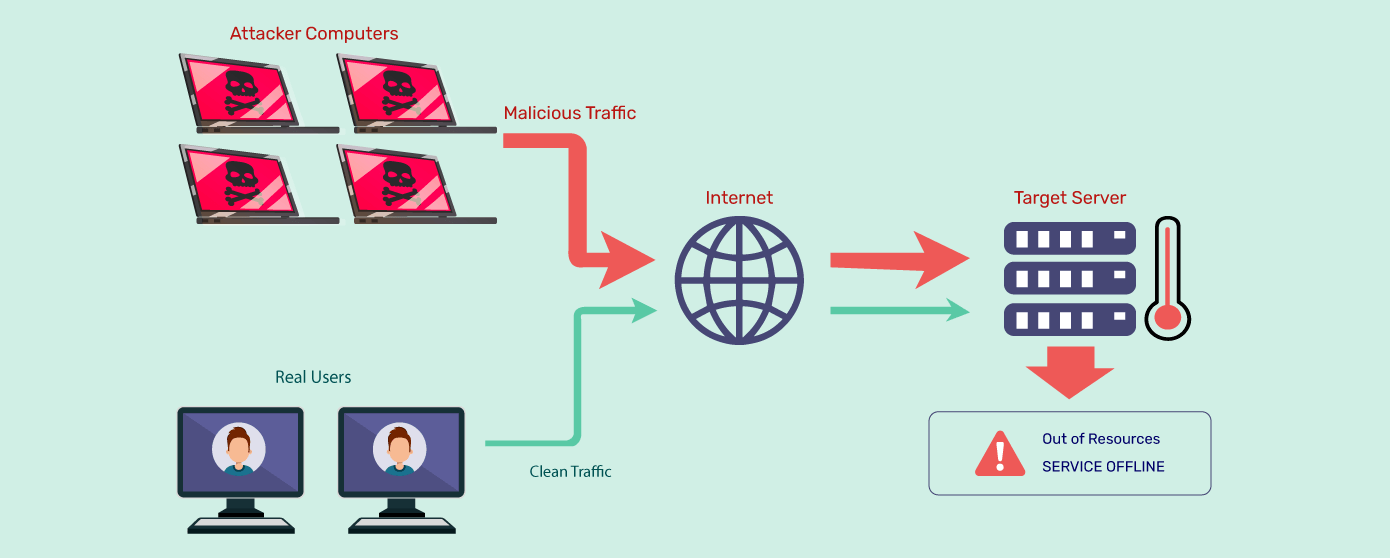
Service Disruption: The primary goal of a DDoS attack is to disrupt the normal functioning of a targeted system or network. This can lead to partial or complete downtime, making services temporarily or permanently unavailable to legitimate users.
Loss of Revenue: Organizations that rely on online services for revenue, such as e-commerce websites, may experience financial losses due to disrupted operations. Downtime during critical periods, like sales events or promotions, can result in missed opportunities and decreased profits.
Damage to Reputation: Extended or frequent DDoS attacks can damage the reputation of the targeted organization. Users may lose trust in the reliability and security of the services, leading to a negative impact on the brand’s image.
Increased Operational Costs: Mitigating and recovering from DDoS attacks often involves deploying additional resources, such as bandwidth, servers, and security infrastructure. This can lead to increased operational costs for the targeted organization.
Data Breach Concerns: In some cases, DDoS attacks may be used as a diversionary tactic to distract security teams while other malicious activities, such as data breaches, take place. This raises concerns about the security of sensitive data.
How to Protect the Site Against DDoS Attacks
Protecting a website against Distributed Denial of Service (DDoS) attacks requires a comprehensive and multi-layered approach. Here are several strategies and best practices to enhance the resilience of your site:
Distributed Infrastructure
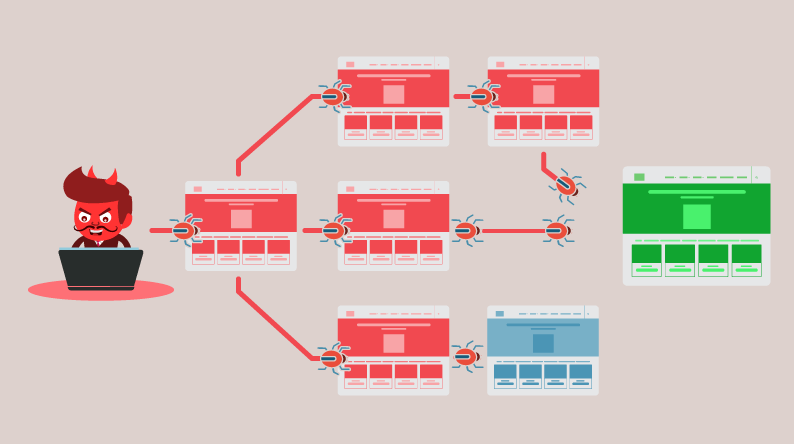
Distributed infrastructure plays a crucial role in protecting against Distributed Denial of Service attacks by distributing the load across multiple servers and locations. This approach enhances resilience and helps absorb the impact of a DDoS attack. It can significantly improve their ability to withstand and mitigate the effects of DDoS attacks. Combining this approach with other DDoS mitigation strategies, such as traffic filtering and collaboration with DDoS protection services, provides a comprehensive defense against these malicious attacks.
Content Delivery Network (CDN)
Content Delivery Networks (CDNs) can provide a level of protection against Distributed Denial of Service attacks. CDNs are designed to improve the performance, availability, and security of websites and web applications by distributing content across a network of strategically located servers. Utilize a CDN to cache and distribute content across multiple servers and locations. CDNs can absorb a significant portion of traffic, helping to mitigate the impact of DDoS attacks.
Acquire more bandwidth
Acquiring more bandwidth can be a helpful but not foolproof strategy in protecting against Distributed Denial of Service (DDoS) attacks. Ensure that your website has sufficient bandwidth to handle traffic spikes. Increasing bandwidth provides a website or network with more capacity to handle traffic, potentially allowing it to absorb a larger volume of requests during an attack. This can involve working closely with your hosting provider to scale up bandwidth during periods of increased risk.
Web Application Firewalls (WAF)
Implement a Web Application Firewall to filter and monitor HTTP traffic between a web application and the internet. A WAF can help detect and block malicious traffic, including that from DDoS attacks.
Use DDoS prevention tools
DDoS prevention tools can help to block malicious traffic and protect your website or network from DDoS attacks. These tools can be configured to automatically detect and block malicious traffic, and can also help to redirect legitimate traffic to other servers in the event of an attack.
Leverage cloud security platforms
Cloud security platforms can provide an additional layer of protection against DDoS attacks. These services can absorb and filter malicious traffic before it reaches your infrastructure, providing an additional layer of defense.